Skip Hire in Dalston
Skip hire in Dalston is a practical way to manage mixed waste from home clear-outs, renovation work and ongoing property maintenance. We provide a straightforward service for customers who need a container suited to the task, whether that means removing general household waste, renovation debris or heavier construction material. The right skip can make waste handling more orderly, especially when items need to be kept together and taken away in one collection.
Our service is designed around clear waste segregation, sensible loading and a choice of skip-related options that suit different types of project. In many cases, the main decision is not simply how much waste there is, but what kind of waste is being produced and how it needs to be managed. That is why we explain the available options carefully, so customers can choose a suitable arrangement rather than ordering something larger or more complicated than necessary.
Common reasons for arranging skip hire include kitchen or bathroom refits, garden work, office clear-outs, shop refits and general house projects. If you are planning work in Dalston and want a direct, practical way to deal with the waste it creates, you can request a quotation once you have a basic idea of the material involved and the amount that needs removing.
Household and domestic skip hire
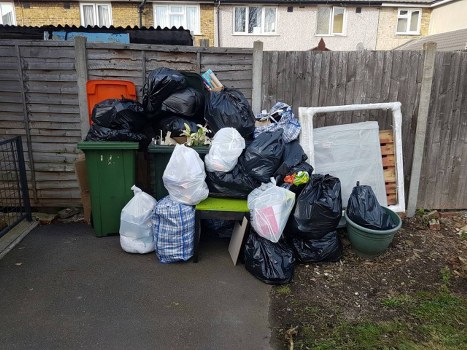
Domestic skip hire is often the simplest option when waste builds up during decorating, decluttering or small-scale improvements. A suitable skip can help keep rooms, driveways and outdoor areas clear while the work is underway. We can discuss the most appropriate type of skip for mixed domestic rubbish, and for projects where the material includes bulky items, old fixtures or bags of general waste. The aim is to match the container to the job, rather than force the job into an unsuitable format.
For many household customers, the key considerations are access, loading style and the type of material being discarded. A skip is usually most effective when waste can be placed into it gradually over time, which suits jobs that produce debris in stages. If your project involves a steady flow of packaging, broken fittings or old household contents, this can be a tidy and manageable solution. Domestic skip hire is one of the most useful services for that kind of work, particularly where convenience and collection planning matter.
When arranging a domestic collection, it helps to think about what will go in first, whether heavier material will be stacked safely, and whether any restricted waste needs separate handling. A sensible plan saves time later and helps avoid confusion at loading stage. If you are comparing options for a home project, our team can talk through the practical differences before you book online or make an enquiry. Skip sizes and prices is a useful page if you want to understand the available range before asking for a quote.
Builders’ and renovation waste

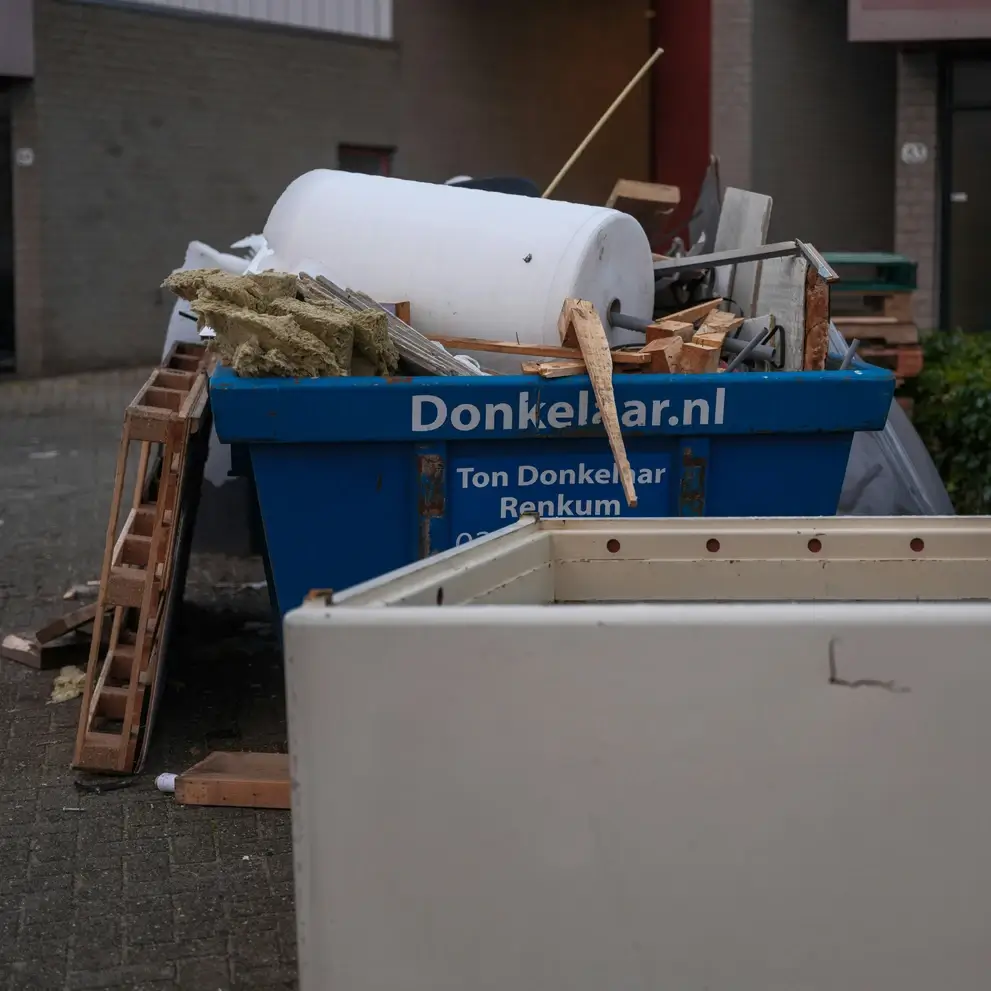
Construction and renovation work tends to produce waste that is denser, heavier and more varied than everyday household rubbish. Offcuts, broken masonry, packaging, tiles, plasterboard and old fittings can quickly add up, so a well-planned skip arrangement makes the site easier to manage. We support projects where waste needs to be removed as the job progresses, not just at the end, which is why this service is often chosen by builders, tradespeople and property owners undertaking refurbishment.
Different kinds of building waste need slightly different treatment. Some materials are better suited to standard mixed construction loads, while others require more careful separation or specific disposal routes. Our builders skip hire option is designed for work where the emphasis is on efficient removal of renovation debris, and where access and turnaround need to be kept practical. For larger or more varied construction waste, the right container choice can reduce handling time and make the site easier to keep clear.
We also support customers who need help with waste from structural alterations, strip-outs and heavier building tasks. That may include brick, rubble, timber and assorted non-hazardous demolition material. Where the project creates waste in significant quantity, choosing the right service at the outset is often more useful than changing arrangements halfway through. If you are planning work and want to keep the site manageable, it is worth discussing the waste type before arranging removal. Construction waste disposal can be a better fit when the priority is orderly removal of building debris rather than general household clearance.
Clearance options for bulky or mixed loads
Some jobs are not just about waste volume; they are about awkward items, mixed materials or the need to clear an area quickly and methodically. That is where clearance-focused services can be helpful. We offer solutions for garages, lofts, houses and offices where the contents are varied and need sorting before disposal. These services are useful when the task includes items that are not best handled as loose rubbish alone.
Garage and loft clearance is suited to storage spaces that have accumulated boxes, old furniture, broken equipment and general clutter over time. The same applies to larger property clearances, where a structured approach helps separate what is to be removed from what stays behind. A skip can form part of that process, but so can a more tailored removal method if the access, item types or layout make that preferable. Choosing the right approach keeps the job efficient without overcomplicating it.
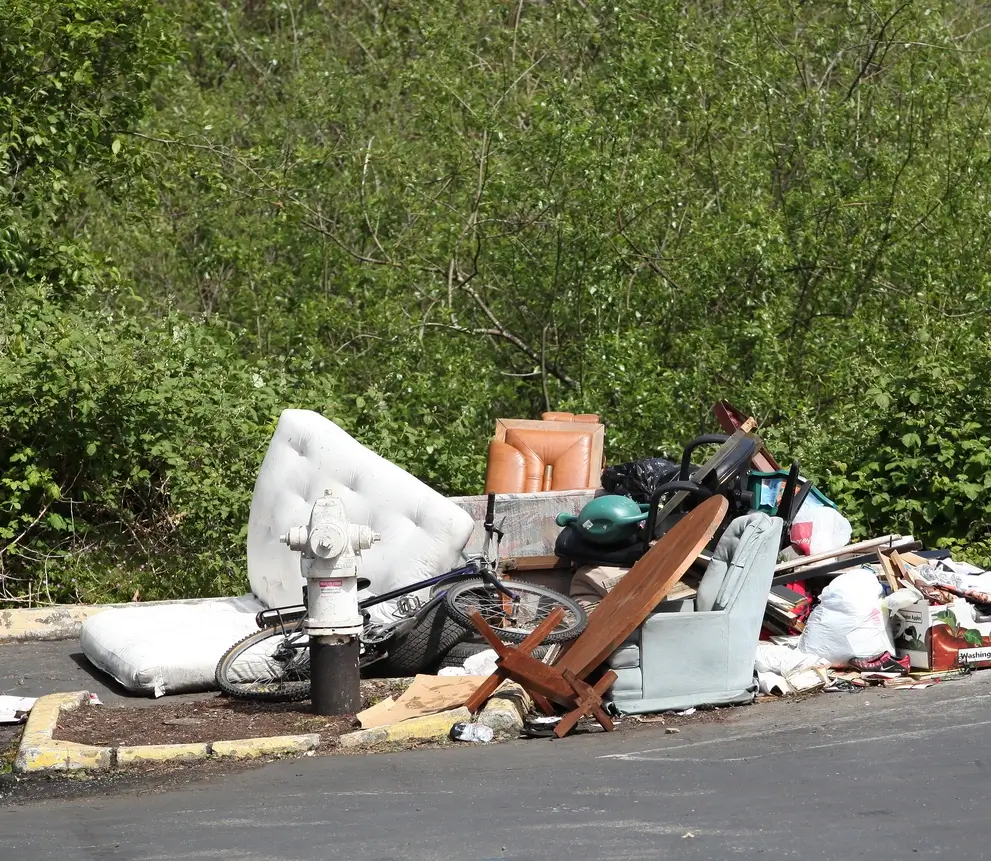
When customers need a broader tidy-up, we can also help with household items that are too bulky for ordinary bin disposal. That includes sofas, mattresses and other large articles that require proper handling rather than simple bagging. In practical terms, the best option is often the one that suits the object and the setting together. If you need a more focused disposal route for a specific item or a mixed room clearance, it is sensible to ask for guidance before booking. Mattress and sofa disposal is a useful destination for bulky household items that need separate attention.
Skip hire for business and commercial premises

Commercial customers often need a waste solution that fits premises with limited storage, frequent footfall or regular refurbishment work. Offices, shops and other workplaces may generate packaging, redundant furniture, paper waste and interior strip-out debris. A skip service can help keep those projects organised, especially where waste must be removed without disrupting day-to-day operations more than necessary. The emphasis is usually on practical scheduling and a clear understanding of what can go into the container.
Commercial skip hire is appropriate where a business needs a straightforward arrangement for non-hazardous waste from fit-outs, routine clear-outs or general maintenance. We can also discuss office clearance for workplaces that need items removed from desks, storage rooms or larger office areas. In both cases, planning the loading sequence and identifying the main waste streams in advance helps make the collection process more efficient and reduces the chance of avoidable hold-ups.
Commercial waste jobs can vary widely, from a one-off refit to an ongoing programme of clearing and replacement. Some businesses need a temporary container while work is being carried out; others need help with a complete room or floor clearance. Either way, the value is in having a service that is practical, visible and easy to coordinate. If you are managing a business project in Dalston and need a clear route for the waste, our team can help you choose the most suitable setup and then request a quotation when you are ready.
Specialist waste handling and disposal
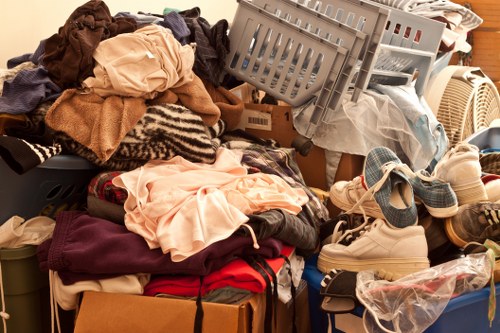
Not all waste belongs in a standard mixed load. Certain items and materials require a more specific route because of composition, handling needs or disposal rules. We provide specialist services for waste streams that need extra care, including hazardous material and selected household or site items that are not suitable for general skip disposal. This helps customers keep the main project moving while dealing correctly with awkward or restricted waste.
Hazardous waste disposal is for materials that need controlled handling rather than ordinary removal. Where waste is classed separately, it should be identified early so that the right process can be used. We also support appliance and white-goods removal through fridge and appliance removal, which is useful when old equipment needs to be taken away from a home or workplace in a managed way. These services are there to help customers avoid mixing unsuitable items into a general load.
For some clearances, separate removal is more practical than attempting to force everything into one container. That can be especially true when the waste includes confidential material, specialist fixtures or items with their own disposal requirements. It is usually best to identify these categories early so the right service can be arranged. If your job includes mixed waste plus a specific item that needs extra attention, we can help you decide on the most suitable route before collection is booked.
Wait and load, access and site constraints
Access is one of the most important practical issues in skip hire. Not every property has the same amount of space, and not every road or courtyard can accommodate a standard container in the same way. In some cases, a wait and load arrangement is more appropriate, because the waste can be loaded and removed without leaving a skip on site. This is often helpful where parking, permits or limited frontage need to be considered carefully.
Wait and load skip hire is useful when the location, timing or access conditions make on-site placement difficult. For longer stays or street-based placements, permit considerations may also apply, so it is sensible to check the practicalities before proceeding. If the load can be gathered quickly, a more flexible removal method may be a better match than a fixed container. That way, the service fits the site rather than forcing the site to adapt unnecessarily.
We also help customers think through loading and preparation so the collection runs more smoothly. That can include placing waste where it is easiest to reach, identifying any heavy items in advance and making sure the removal route is workable. When access is tight, small details make a real difference to efficiency. If you are unsure whether a skip, wait and load or another method is the better choice, it is sensible to ask early and compare the practical options before making a booking.
About Dalston
Dalston is an area in the London Borough of Hackney, in east London, and it has long been shaped by its position on important local routes between central Hackney and neighbouring districts. The place name is usually associated with the busy junctions around Dalston Junction and Dalston Kingsland, both of which became better known through nineteenth-century railway development and later regeneration. The railway links helped define the area’s character as a connected urban neighbourhood rather than a self-contained historic village, and that layered identity remains visible today in its streets, transport links and mixed building stock. Much of Dalston’s current landscape combines Victorian terraces, post-war developments and newer residential and commercial buildings, giving the district a varied built environment that reflects change over time. The area also has a strong cultural identity, with performance spaces, independent businesses and community venues contributing to its reputation as one of Hackney’s most active local centres. Public transport and walking routes tie Dalston closely to the surrounding parts of east London, while nearby open spaces and neighbourhood streets create a contrast between busy corridors and quieter residential pockets. Ridley Road Market is one of the best-known local features, and its long-running street market tradition adds to the area’s everyday character. Dalston also sits within a wider part of Hackney known for diversity, food culture and creative activity, and that mix has helped shape the way the district is perceived by residents and visitors alike. Although the area has changed considerably over time, it still carries traces of earlier phases of development through its architecture, street layout and transport infrastructure. Those layers make Dalston a distinctive part of London, with a sense of movement, adaptation and ongoing reinvention that is visible in the public realm as well as in its buildings and local life.
Choosing the right skip size and load type
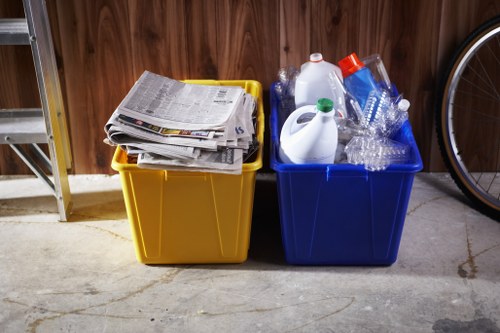
Choosing the right skip is mainly a question of matching the waste type, the space available and the scale of the work. A smaller domestic project may need a compact solution, while a larger refurbishment may call for a more substantial container or a different disposal method altogether. If the load includes mixed material, it is worth thinking about how the heavier items will be layered and whether any separate items should be removed by another service first. The aim is always to make the process simpler, not just larger.
Skip sizes and prices can help you compare the available options before you decide, while what can go in a skip explains the sort of material that is normally suitable for this kind of disposal route. Those pages are useful if you want to understand the practical limits before requesting collection. If you are dealing with a mixed load, the answer is often in the detail: weight, composition and how the waste is stacked can all affect the best choice.
For some customers, the decision comes down to flexibility rather than the single biggest container. Others need a more direct service for a clearly defined waste stream. Either way, a brief discussion at the start usually prevents misunderstandings later. If you have the basic details ready, you can request a quotation and move forward with a service that is suited to the job in Dalston.
Recycling, reuse and responsible disposal
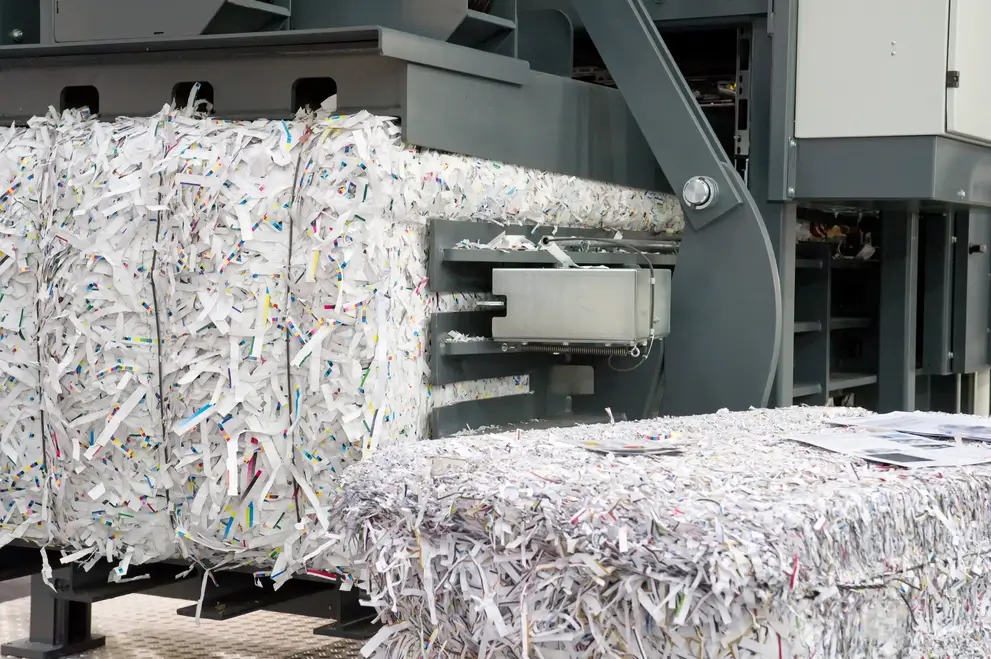
Good waste handling is not only about removal; it is also about making sure material is dealt with properly once it leaves the site. Different waste types may be sorted, separated or sent for recycling depending on what they contain and how they have been collected. A practical service should therefore consider what can be recovered, what needs careful treatment and what must be disposed of through the correct route. That approach keeps the process more orderly from start to finish.
Waste recycling services and recycling and sustainability are useful pages for customers who want to understand the broader handling process. They sit well alongside skip hire when the waste stream is mixed and the disposal stage matters as much as the collection itself. For many projects, the main benefit of the service is that it reduces on-site clutter while keeping the waste pathway clear and controlled.
Where possible, it makes sense to separate reusable items, recyclable materials and waste that needs a different route before the collection takes place. That can be as simple as sorting timber, metals, packaging and general debris into practical groups. A more considered load is often easier to handle and easier to explain at quotation stage, especially if the project produces material from several sources. If you are planning a clearance and want to keep disposal tidy from the outset, our team can help you choose the right arrangement and then ask for a quote when you are ready.
Getting ready to book your skip
Preparation does not need to be complicated, but a little planning helps the process go smoothly. It is useful to note the main waste types, the approximate amount involved and any access restrictions that could affect delivery or collection. If the load contains awkward items or mixed material, it helps to identify those in advance so the right service can be arranged. That is especially useful where timing is tight or the site has limited space.
For the clearest quotation, it is often best to have a simple picture of the project, the waste stream and the timeframe. A few practical details are usually enough to guide the recommendation, and you do not need to overcomplicate the enquiry. If you are still comparing arrangements, you can review the relevant service page first and then decide how you want to proceed. When the details are ready, pricing and quotes is the most direct place to make the next step.
Whether your job is domestic, commercial or linked to building work, the aim is the same: choose a waste solution that fits the site, handles the material properly and keeps the project moving. If you need skip hire in Dalston, speak to us about the kind of load you have, and we will help you find a suitable option before you book.